

Sunny
Trogir, Marina Trogir (ex.SCT), Croatia
€ 11.119,00
€ 16.720,00
17 Jul - 24 Jul 2027
Length: 14.28 m
Heads: 4 + 1
Max persons: 10
Heads: 4 + 1
Max persons: 10
Published: 23. July, 2025
With its sapphire-blue seas, hundreds of idyllic islands, and charming coastal towns, Croatia has become one of Europe’s premier sailing destinations. Stretching along the eastern Adriatic, the Croatian coastline offers a rich tapestry of history, natural beauty, and ideal sailing conditions. But whether you're a seasoned skipper or a first-time charterer, navigating these waters requires some local knowledge. Here’s what every sailor should know before setting sail in Croatia.
Croatia’s coastline is divided into several main sailing regions, each with its own character:
Istria & Kvarner: The northernmost part, known for its Roman ruins, excellent cuisine, and quiet anchorages.
Dalmatian Coast (North and South): The heart of Croatian sailing. Popular cities like Zadar, Šibenik, Split, and Dubrovnik offer easy access to island chains including the Kornati, Hvar, Brač, and Vis.
The Kornati Archipelago: A sailor’s paradise with over 100 mostly uninhabited islands, it’s a national park known for its rugged beauty and crystal-clear waters.
Croatia’s weather is typically Mediterranean—hot summers and mild winters—but sailors should be mindful of two key winds:
Bura (Bora): A cold, dry northeasterly wind that can arrive suddenly and with great force. It’s most common in winter but can appear year-round, especially in the Velebit Channel.
Jugo (Sirocco): A warm, humid wind from the southeast that brings overcast skies and long swells. It's slower to build but can lead to poor visibility and uncomfortable sailing.
Always check local forecasts daily. The Croatian Hydrographic Institute (HHI) and apps like Windy or Meteo.hr are reliable sources.
To charter a boat in Croatia, at least one crew member must have:
A valid skipper’s license recognised by Croatian authorities.
A VHF radio certificate.
Make sure your documents are approved. If not, you’ll need to hire a licensed local skipper.
Croatia is home to an extensive network of marinas. Most offer modern facilities, fuel, restaurants, and shops. However, summer demand is high, so advance booking is strongly recommended—especially in hot spots like Hvar, Korčula, or Dubrovnik.
You’ll also find:
Mooring buoys in popular bays (typically with a small fee).
Anchoring in sheltered coves (free in many places, but some are within park zones and require a permit).
Always respect local rules, and avoid anchoring near underwater cables or protected areas.
Some highlights for your Croatian sailing itinerary:
Hvar: A glamorous hotspot with lively nightlife and historic charm.
Vis: Remote and peaceful, with secluded beaches and fascinating WWII history.
Mljet: A national park island, known for its pine forests and inland salt lakes.
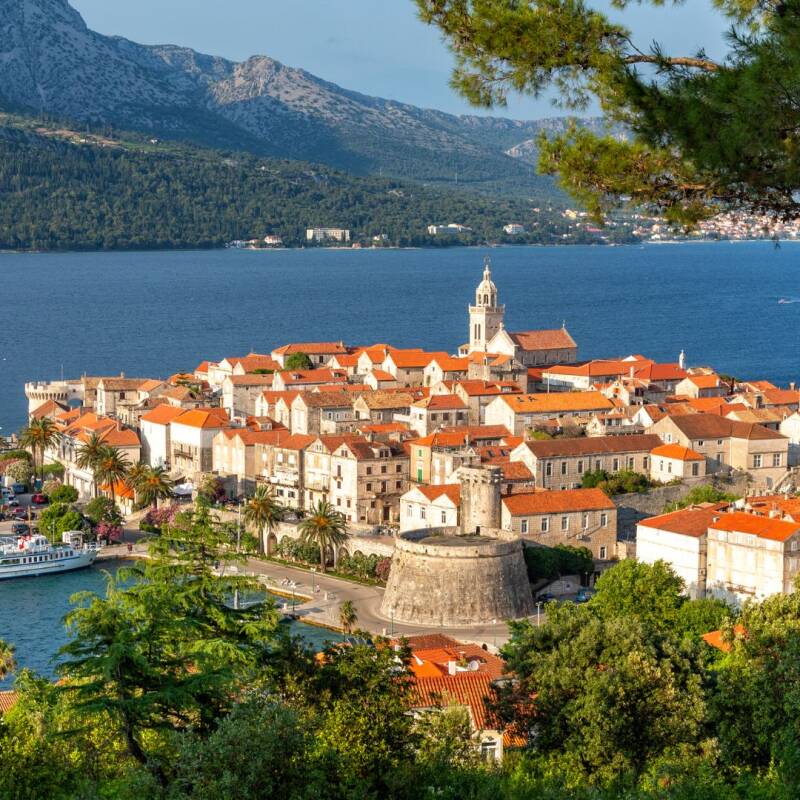
Korčula: Alleged birthplace of Marco Polo, with a beautiful old town.
Each island has a unique rhythm, offering everything from ancient monasteries to vibrant seafood markets.
Sailing through protected areas like Kornati, Mljet, or Lastovo often requires a park entry fee. These can usually be paid online, at park offices, or to rangers in dinghies who approach visiting boats.
Be mindful of conservation efforts—follow no-wake zones, respect wildlife, and minimize waste discharge.
Language: English is widely spoken in tourist and sailing areas, but learning a few Croatian phrases is appreciated.
Currency: Croatia uses the Euro (as of 2023).
Provisions: Stock up in major ports, but don’t miss the chance to buy fresh seafood and produce at local markets.
Fuel: Available at most larger marinas, though lines can be long on weekends.
Croatia’s waters are generally safe and well-charted, but here are a few final tips:
Monitor AIS and VHF Channels for traffic and emergency updates.
Use up-to-date nautical charts and GPS (electronic and paper backups).
Stay aware of ferries, which have right of way and travel fast, even in narrow channels.
Sailing in Croatia offers a rare blend of natural beauty, cultural heritage, and seafaring tradition. From tranquil anchorages to bustling port towns, every nautical mile reveals a new facet of this stunning Adriatic gem. With proper preparation and a spirit of discovery, you'll find that Croatia doesn't just live up to the hype - it surpasses it.
Fair winds and calm seas - see you out there!
Your NOA Yachting team
Can't find what you are looking for? Have a look at our Hot Summer Deals.
Sunny
Trogir, Marina Trogir (ex.SCT), Croatia
€ 11.119,00
€ 16.720,00
17 Jul - 24 Jul 2027
Prinz eugen
Marina Tehnomont Veruda, Pula, Croatia
€ 10.460,00
€ 15.730,00
10 Jul - 17 Jul 2027
Sam
Trogir, Marina Trogir (ex.SCT), Croatia
€ 10.015,00
€ 15.060,00
03 Jul - 10 Jul 2027
Gemini
Golfo Aranci Marina Dell’Isola, Italy
€ 9.436,00
€ 14.190,00
03 Jul - 10 Jul 2027
Maya i
Marina Kornati, Biograd, Croatia
€ 9.130,00
€ 13.730,00
10 Jul - 17 Jul 2027
Diadem
Trogir, Marina Trogir (ex.SCT), Croatia
€ 8.712,00
€ 13.100,00
26 Jun - 03 Jul 2027
New horizons
Palma de Mallorca, Real Club Nautico, Spain
€ 11.037,00
€ 15.490,00
19 Jun - 26 Jun 2027
Makatea
Trogir, Marina Trogir (ex.SCT), Croatia
€ 8.792,00
€ 12.560,00
10 Jul - 17 Jul 2027
Subscribe to our newsletter and stay up-to date with latest news, promotions and offers
Planning your dream sailing getaway? Reach out and our experts at Noa Yachting will guide you every step of the way.